
In September 2024, Lower Silesia faced a massive flood. While the water levels were high, the levels of human solidarity were even higher. Thousands of volunteers and dozens of NGOs rushed to help.
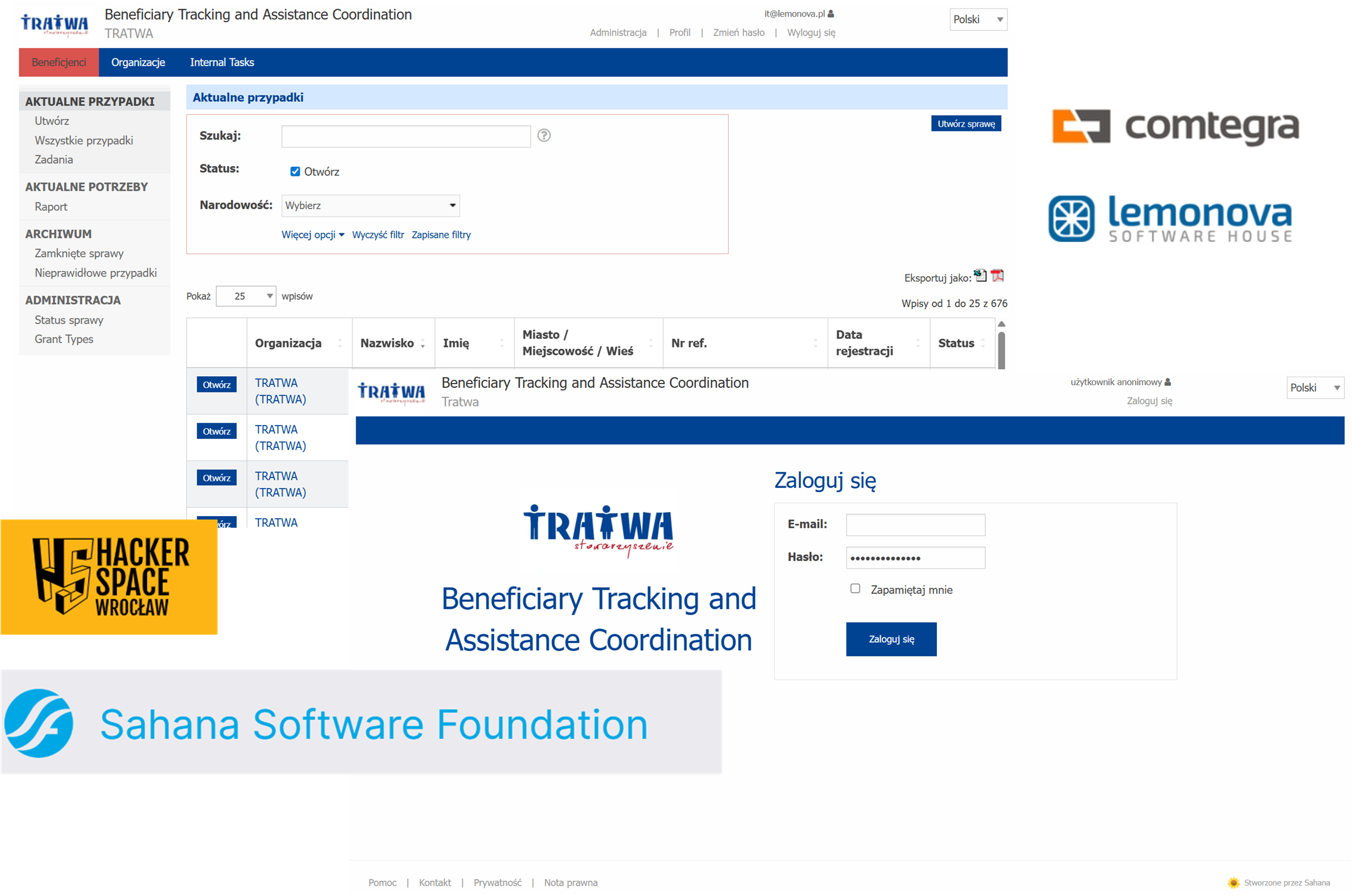
However, from a coordination perspective, we faced a “fog of war.” As an expert supporting Stowarzyszenie TRATWA (a key NGO leading relief efforts in Stronie Śląskie and Lądek Zdrój), I attempted to deploy a customized instance of Sahana Eden (codenamed “BETRA”) right in the middle of the catastrophe.
This experience confirmed a painful truth: You cannot build a boat while you are already drowning.
The Voice from the Frontlines
The most poignant summary of our experience comes from Robert Drogoś, the President of Stowarzyszenie TRATWA, who managed the chaotic reality on the ground:
“We need a system that supports crisis operations! The system must integrate the actions of multiple organizations. But most importantly, it must be deployed before—not during—the crisis.”
This quote captures the essence of our challenge. We had the technology, but we lacked the time to make it the standard.
What NGOs Actually Needed (And What Was Missing)
In the heat of the moment, nobody cared about complex features. The needs of the NGOs on the ground were brutal and specific. They desperately needed two things that the lack of a systemic approach made impossible to achieve efficiently:
- A Beneficiary Registry (Who needs what?): We had paper lists, Excel sheets, and phone notes. We lacked a centralized, secure database to track who had already received help (e.g., a dehumidifier or food pack) and who was still waiting. This led to situations where some families received triple aid, while neighbors two streets away received nothing.
- Resource Matching (The “Oversupply” Problem): Warehouses were bursting with unneeded clothes, while we lacked specific technical equipment (like power generators). Without a unified system to request specific items, the logistics chain was clogged with “goodwill” rather than “strategic aid.”
The Nightmare of Deployment Under Fire
Why couldn’t we just “install and run” Sahana Eden to fix this?
- The Integration Gap: You cannot integrate organizations in 24 hours. Local government Social Welfare Centers (OPS) work on different systems (or paper) than NGOs. There was no pre-agreed API or CSV standard.
- The “Hard User” Problem: In a crisis, volunteers change every 48 hours. You cannot train a new person on a complex EOC system every two days. The system requires “hard users”—trained specialists—who simply weren’t there.
- Privacy Paralysis (GDPR): Trying to implement a beneficiary registry during a flood triggered immediate legal questions about data privacy (RODO). Without pre-signed protocols, we were paralyzed by the fear of mishandling sensitive victim data.
Conclusion: The Shift to Preparedness
The deployment of the “BETRA” template proved that Sahana Eden has the functional capability to handle these problems. It handles registries and logistics perfectly.
But the 2024 flood taught us that functionality is secondary to timing.
For Stowarzyszenie TRATWA, the goal is now clear: we must maintain the system during “peacetime.” We must simulate workflows, sign data-sharing agreements, and train our core team now, when the sun is shining. Only then, when the next crisis hits in 5 or 10 years, will the software be an asset rather than an additional challenge.
Leave a Reply